The Family Meal Plan That Works for Real Life (Even Picky Eaters)
Build weekly meal plans in 20 minutes with a repeatable template, pantry list, and grocery flow — perfect for a digital planner.
3/3/20265 min read
Understanding the Importance of a Family Meal Plan
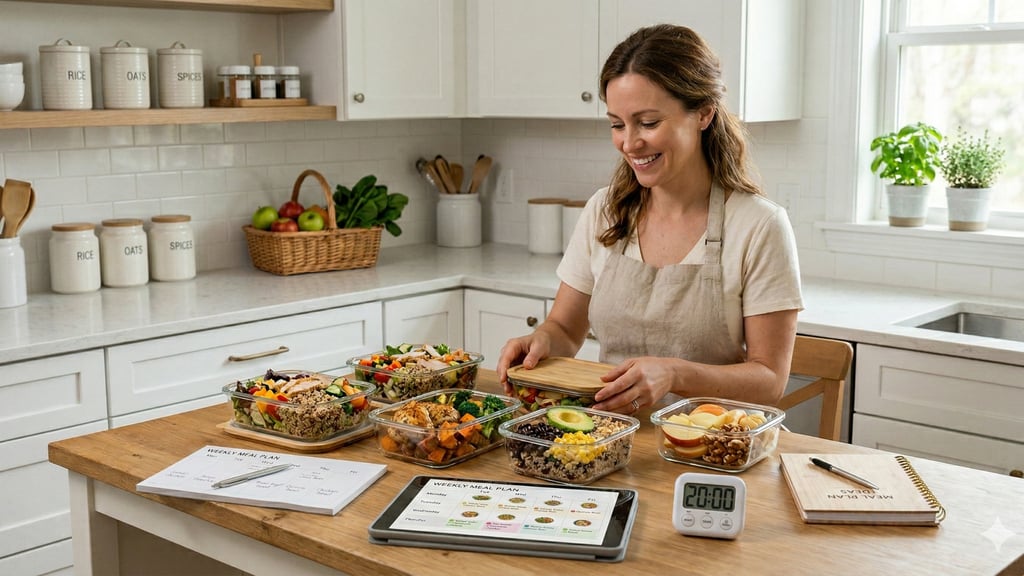
A family meal plan holds significant importance in today’s fast-paced world. One of the primary benefits of having a meal plan is that it promotes healthier eating habits. By pre-selecting meals for the week, families can ensure a balanced intake of essential nutrients and diverse food groups. This systematic approach encourages cooking at home, which is often healthier than dining out or relying on processed convenience foods. Involving children in meal planning can help them develop a better understanding of nutrition and foster a positive relationship with food.
Additionally, the presence of a meal plan significantly reduces stress during mealtimes. When families know what they will be eating, they eliminate the daily dilemma of meal selection, which can often lead to frustration or last-minute unhealthy choices. Meal planning allows for grocery shopping to be more focused and efficient, thereby saving both time and money. With a strategic plan in place, families can minimize food waste by purchasing only the items needed for the week.
Meal planning also provides an opportunity to cater to various dietary needs and preferences, particularly for families with picky eaters. By considering individual tastes and restrictions during the planning phase, families can devise a menu that satisfies everyone. This inclusive approach encourages healthier eating experiences and ensures that all family members feel considered, ultimately promoting a positive mealtime atmosphere.
Establishing a routine around meal planning is essential. Schedule a specific time each week to collaboratively select meals, allowing each family member to contribute ideas. By ensuring everyone is involved in the process, families can improve adherence to the meal plan and create a sense of shared responsibility. In summary, recognizing the importance of a family meal plan is the first step towards fostering healthier eating habits, reducing mealtime stress, and managing dietary preferences effectively.
Creating a Versatile Family Meal Plan
Creating a family meal plan that caters to various tastes, especially when accommodating picky eaters, can be a challenging yet rewarding endeavor. A practical approach involves curating a rotating favorites list, ensuring that meals align with both nutritional needs and personal preferences. Begin by involving all family members in the planning process; this inclusion can significantly enhance the likelihood of acceptance of the meal choices.
It is vital to balance nutrition with individual preferences. Consider incorporating a variety of proteins, legumes, vegetables, and grains to create a diverse menu. Highlighting some go-to meals not only simplifies grocery shopping but also helps in minimizing decision fatigue during busy weekdays. Aim for at least one familiar dish per week to create a sense of comfort while also gently introducing new recipes that can gradually expand palates.
Engaging picky eaters can also be achieved through build-your-own dinner concepts, such as taco or sandwich bars. This interactive method allows everyone to customize their meals based on personal tastes, making mealtime more enjoyable and less of a chore. Families can prepare a selection of toppings and ingredients, allowing individuals to assemble their ideal plate, which may foster a willingness to try new flavors.
Another essential aspect of meal planning is to consider ingredient seasonality. Utilizing seasonal produce not only enhances the flavor but also makes the meals more economical and environmentally friendly. To further minimize food waste, incorporate strategies to use leftovers creatively. For instance, leftover roasted vegetables can be transformed into a hearty soup or a vibrant salad, ensuring that nothing goes to waste while providing added variety to the family's meal plan.
Meal Planning Tools and Resources
Efficient meal planning is essential for families, particularly those navigating the preferences of picky eaters. Various tools and resources are available to streamline this process, making it manageable and less daunting. One of the most useful options is free printable templates designed specifically for meal planning. These templates can be customized and filled in with meals for the week, allowing families to visualize their dining choices ahead of time and make necessary adjustments.
In addition to templates, there are numerous meal planning applications available that can help users organize their meal schedules. Apps such as Paprika , Mealtime, or Yummly not only assist in recipe management but also provide shopping lists and nutritional information, which can be beneficial for families aiming to maintain balanced diets. Utilizing these digital tools can significantly reduce the time spent on meal preparation and grocery shopping.
Furthermore, online resources like cooking blogs and video platforms offer countless recipes that cater to picky eaters. Websites dedicated to family meals often share kid-friendly options that can help expand limited palettes. Another key to successful meal planning is maintaining a well-stocked pantry. Staples such as canned beans, rice, pasta, and a variety of spices can serve versatile roles in meal preparation, facilitating the creation of quick and nutritious meals. Simple tools like a manual food chopper can make vegetable prep much faster, especially on busy weeknights. Many families find that small kitchen helpers like this make sticking to a meal plan easier.
By leveraging these organizational tools and versatile ingredients, families will find themselves better equipped to navigate the complexities of meal planning, catering to all appetites while also saving time and effort throughout the week.
Sticking to the Plan: Tips for Success
Implementing a family meal plan may seem daunting, but with the right strategies, it can become a manageable routine. The first step is to establish a weekly planning ritual. Designate a specific day and time each week for the family to gather and discuss meal preferences. This not only helps in organizing the week’s meals, but it also involves everyone in the decision-making process, making them more likely to enjoy the meals prepared. Families can use tools such as a planner or meal planning app to track meal choices effectively.
Another essential component is to involve all family members in the planning process. Children, even picky eaters, can contribute by suggesting one or two meals they would like to see. This gives them a sense of ownership over their food choices and fosters a more positive attitude toward trying new foods. Moreover, assigning simple cooking tasks to family members can enhance engagement and encourage teamwork in the kitchen.
Flexibility is crucial when sticking to any meal plan. Life can be unpredictable, and it’s vital to adapt the meal schedule as needed. If a family event comes up or a particular meal doesn’t seem appealing anymore, it’s perfectly acceptable to shift things around. Having a list of quick backup meals that can be made with leftover ingredients can alleviate the stress of unexpected changes. Also, keeping an eye on seasonal produce can inspire meal inspiration that aligns with current preferences.
Lastly, it’s essential to acknowledge the common hurdles families often encounter, such as busy schedules and changing tastes. Establish a backup plan for days when things do not go as anticipated. Acknowledge that not every meal will be a hit, and that’s okay. By fostering an environment of experimentation and discussion around food, families can embrace the objective of a meal plan, enriching their dining experience while accommodating individual tastes.
If you want a ready-to-use family meal planning template, download the free planner at YourPlannersWorld.com.
Your journey to a more intentional life doesn't end here—it’s just beginning. Let’s stay connected as we design your world, one page at a time
Contact
hello@yourplannersworld.com
© 2026. All rights reserved.